The director of the International Monetary Fund (IMF), Kristalina Georgieva, has stated that the economic shock from the ongoing war between the United States and Iran is already "baked" into the global economy. Her comments were made during an interview on CBS News's "Face the Nation" programme on Sunday, 43 days into the conflict.
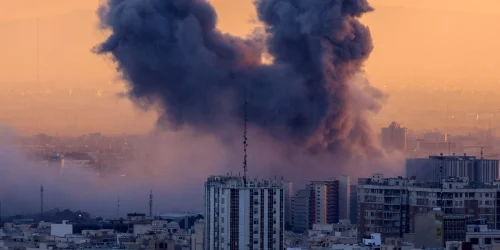
Georgieva outlined the severe toll on global energy supplies, citing immobilised tankers, dozens of strikes on Gulf energy infrastructure, and missile and drone attacks on Qatari gas fields that will require years to repair. "We are going to see some drag of this crisis over the year, but if we have peace, of course, conditions are likely to improve faster," she said.
Ceasefire Hopes Dashed by Blockade
The prospect of peace appeared briefly on Tuesday evening when US President Donald Trump announced a two-week ceasefire deal with Iran. This development eased investor fears of a prolonged conflict that could drive oil prices higher, fuel inflation, and push the US toward a recession.
The immediate market reaction was one of relief. On Tuesday, stock markets climbed, while bond yields and oil prices fell. Brent crude settled at $94.50 a barrel, while West Texas Intermediate (WTI) closed at $95.98.
Strait of Hormuz Blockade Sends Oil Above $100
By Sunday, however, negotiations had collapsed. President Trump announced a US Navy blockade of the Strait of Hormuz, a crucial shipping channel for a significant portion of the world's seaborne oil. "Effective immediately, the United States Navy, the Finest in the World, will begin the process of BLOCKADING any and all Ships trying to enter, or leave, the Strait of Hormuz," he stated in a post on Truth Social.
The announcement sent oil prices soaring past the $100 per barrel mark when markets reopened at 6 p.m. in New York. The prolonged conflict has already driven up fuel costs for consumers, with the average price of petrol in the United States reaching $4 a gallon on 31 March.
The IMF's assessment underscores that the economic consequences of the war, particularly in the energy sector, are now a fixed reality with long-term implications for global growth and stability.