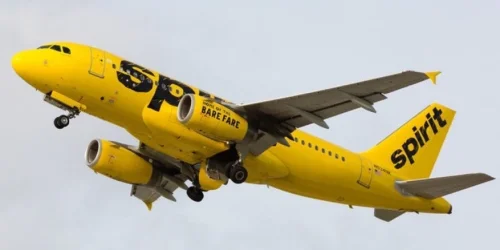
Spirit Airlines, the iconic US ultra-low-cost carrier, could cease operations as early as this week, according to a CNBC report. The airline, which has struggled to return to profitability following the pandemic, is facing liquidation during its second Chapter 11 bankruptcy proceedings since 2024.
A spokesperson for Spirit told Business Insider the company does not "comment on market rumors and speculation." The potential shutdown comes as rising fuel costs, linked to conflict in the Middle East, have further complicated its recovery efforts.
Immediate Impact and Potential Buyers
If Spirit liquidates, its operations would immediately halt and its fleet of over 200 aircraft would be grounded. The outcome hinges on whether a buyer emerges for its assets, which include a relatively young fleet with an average age of eight years and a significant East Coast network.
JetBlue Airways, which attempted to acquire Spirit for $3.8 billion in 2024 before regulators blocked the deal, is a potential suitor. Other carriers could also be interested in its Airbus A320 family aircraft and route network, though no formal interest has been announced.
A Six-Decade Journey from Charter to Low-Cost Giant
The potential closure would end a 62-year history that began in 1974 as Ground Air Transport Inc., founded by Michigan-native Ned Homfeld. The passenger airline launched in 1980 as Detroit-based Charter One Airlines, starting operations in 1983 with turboprop aircraft focused on gambling trips to Atlantic City.
After a decade, Charter One launched scheduled service and rebranded as Spirit Airlines in 1992, securing cheap DC-9 jets following the collapse of rival Midway Airlines. Its airline code, NK, stands for "Ned's Kids."
Growth, Challenges, and the "Bare Fare" Model
Spirit pioneered the ultra-low-cost model, generating significant revenue from ancillary fees for everything from baggage to boarding passes. This "à la carte" approach pressured legacy carriers and helped Spirit turn a profit even during the 2008 recession, when it was the number one airline for customer complaints.
The airline moved its headquarters from Michigan to Miramar, Florida, in 1999, solidifying its base at Fort Lauderdale-Hollywood International Airport. By 2019, it operated 600 daily flights to 72 destinations across the Americas.
Pandemic Setback and Shifting Market
The COVID-19 pandemic drastically altered its trajectory, resulting in a 2020 net loss of $428 million. While the airline expanded in 2021, it faced operational meltdowns from weather and staffing issues. The broader industry's shift towards premium travel, which Spirit's bare-bones model could not match, exacerbated its challenges.
In recent years, Spirit attempted to adapt by bundling fares and offering premium "Big Front Seats," but these efforts have not been enough to counter rising costs and changing consumer habits. Its latest plan involves focusing on high-demand routes and reducing its fleet to just 80 aircraft by late 2026.