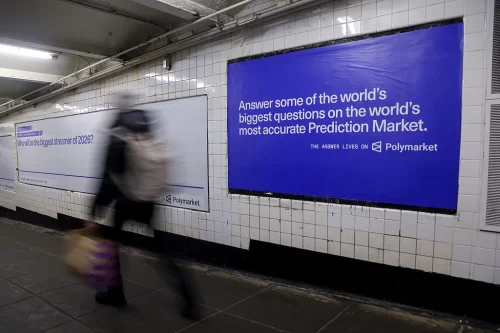
A Democratic congressman has launched a scathing criticism of the prediction market platform Polymarket for allowing users to place bets on the rescue date of United States Air Force personnel shot down over Iran. Representative Seth Moulton described the activity as "disgusting" in a social media post on Friday, 10 January.
The company has since removed the specific market, stating it failed to meet its integrity standards. This incident highlights ongoing ethical debates surrounding prediction markets and their boundaries.
Political Outcry Over "Dystopian" Bets
In his post, Representative Seth Moulton, a Democrat from Massachusetts, directly addressed the nature of the bets. "They could be your neighbor, a friend, a family member. And people are betting on whether or not they’ll be saved. This is DISGUSTING," he wrote. Moulton further labelled Polymarket a "dystopian death market" and noted that Donald Trump Jr. is an investor in the company.
Moulton has instituted a ban preventing his congressional staff from participating in prediction markets like Polymarket and its competitor Kalshi. The rescue operation concluded successfully, with President Donald Trump announcing early on Sunday, 12 January, that the second service member, a weapons system officer, had been recovered.
Platform Response and Precedent
Polymarket responded to the controversy, confirming it had taken the market down. "It should not have been posted, and we are investigating how this slipped through our internal safeguards," a company statement read. The platform stated the wagers were removed "immediately" for not meeting its integrity standards.
This is not the first time Polymarket has hosted high-stakes geopolitical betting. The platform previously facilitated hundreds of millions of dollars in trades on contracts linked to potential US and Israeli military action against Iran. These markets have drawn scrutiny over their potential to trivialise serious global events and conflict.
Context and Regulatory Landscape
Prediction markets allow users to trade contracts based on the outcome of future events, from elections to entertainment awards. While proponents argue they aggregate information and forecast likelihoods, critics contend they can incentivise harmful behaviour and profit from human suffering.
The incident raises questions about the self-regulation of such platforms and the potential need for clearer legal frameworks. Unlike traditional sports betting, the regulatory status of event-based prediction markets in the US remains a complex and evolving area of law.