New first-quarter 2026 electric vehicle sales estimates reveal a sharp contraction in the US market, with total sales falling 27% year-over-year to approximately 216,000 units. The data, from Cox Automotive, shows nearly every major automaker posted steep declines, highlighting the brutal reality of the market following the withdrawal of federal purchase incentives.
The broader takeaway is stark: without subsidies, most EV makers lack the scale to turn a profit in the United States and are losing ground rapidly. Tesla's immense scale continues to translate into market dominance, while rivals face a brutal new reality where high volume is not just an advantage, but a prerequisite for survival.
Legacy Automakers in Freefall
The sales declines were severe across the board. Ford's EV sales plunged 70%, while BMW fell more than 60% and Volkswagen collapsed by nearly 90%. Honda recently withdrew an EV model from the US market, and Volkswagen killed its last EV offering for American consumers.
Even previously aggressive players saw momentum stall. Hyundai's sales were essentially flat, while demand evaporated for models from Nissan and Mercedes-Benz. The pattern is clear: low sales volume and high production costs are crushing the electric ambitions of traditional car manufacturers.
The Standout Performers
Amid the widespread downturn, only two major brands emerged as clear outliers. Toyota stood out, with EV sales jumping about 79% year-over-year to roughly 10,000 units, boosting its market share to 4.6% from a previously small base.
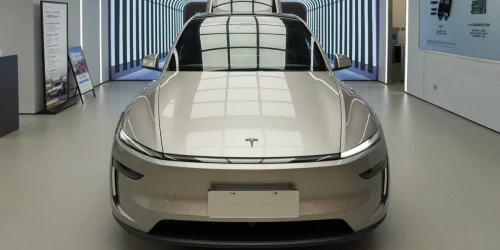
Tesla, however, remains in a league of its own. The company sold 117,300 EVs in Q1 2026, giving it a commanding 54% share of the entire US electric vehicle market. While Tesla's overall sales fell 8%, its Model Y was a major standout, with deliveries rising nearly 23% to almost 79,000 units—making it by far the best-selling EV in the country.
Challenges Even for the Leader
It is not all positive news for the market leader. Tesla has been hit hard by slowing overall demand for electric vehicles. Despite reporting a 6% increase in global sales for the first quarter, the company's results missed Wall Street expectations, signalling broader market headwinds.
Analysts suggest that higher petrol prices could spur a recovery in EV demand. The industry will be watching closely when the second-quarter sales figures are released later this year.