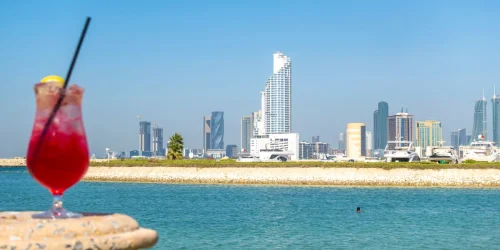
A significant shift in travel habits is underway, led by Generation Z's growing preference for sober and low-alcohol vacations. This trend, part of a broader move towards wellness-based tourism, sees young travellers trading poolside cocktails for saunas, mindfulness sessions, and experience-driven itineraries. Survey data indicates this generation is not only drinking less than its predecessors but is also the most open to the concept of an alcohol-free trip.
More than half of Gen Z respondents have reported increased interest in alcohol-free travel in recent years. Practical and philosophical motivations converge, with nearly two-thirds citing cost savings and majorities highlighting physical health and mental wellness as key drivers—rates higher than those of millennial and Gen X travellers.
Intentional Travel and a Future-Focused Mindset
For 23-year-old Ashleigh Ewald from Georgia, choosing mocktails on a recent Caribbean cruise was a conscious decision aligned with a broader life philosophy. "Gen Z is constantly labeled as lazy by older generations, and there are a lot of us actively trying to push back against that by being disciplined and future-focused," Ewald told Business Insider. She views sober travel as part of a "mindset of self-improvement" and making decisions that support long-term goals like career success and family.
Travel expert Melanie Fish from Expedia Group notes a steady increase in sober tourism, particularly among younger demographics. A 2023 Hotels.com survey identified "dry tripping" as an emerging trend, with 40% of travellers likely to book a "detox trip" within a year. Furthermore, 74% of Gen Z travellers expressed interest in hotels offering alcohol-free options.
Global Hospitality Adapts to New Demand
This behavioural shift is prompting a response from the global hospitality industry. In Las Vegas, a city synonymous with indulgence, the Wynn resort launched its "Drinking Well" programme in 2023, offering bespoke alcohol-free drinks featuring wellness ingredients like reishi mushrooms. Similarly, The Venetian promotes mocktail options across its restaurants.
The trend is equally evident in Bali, a destination balancing spiritual wellness with nightlife. Lev Kroll, CEO of Nuanu Creative City, observes a "growing sober or low-alcohol lifestyle driven by health and wellness awareness" among international visitors. He notes the influence of wearable health technology, such as Oura rings and Apple Watches, which make travellers more conscious of how alcohol impacts sleep and recovery metrics.
Moderation, Not Abstinence, and Changing Economics
The result is often moderation rather than complete abstinence. "We believe moderation will define the future of alcohol consumption, as lifestyles become more health-focused and increasingly data-driven," Kroll stated. This change alters guest behaviour: those who drink less spend slightly less time on-site and gravitate towards cultural, educational, and nature-based activities over clubbing.
While guests who consume alcohol typically spend more per visit, Kroll points out a strategic trade-off. "In simple terms, guests who drink may spend more per visit, but guests who don't drink are more likely to return if the experience is meaningful," he explained. This dynamic challenges venues to design more intentional experiences around slower consumption, moving non-alcoholic options from an afterthought to a core offering.
As group dynamics also shift towards multi-generational bonding over nightlife, the core value proposition for destinations is evolving. The focus is moving from partying to the quality of the experience itself. "The experience itself becomes the main attraction," Kroll concluded, summarising the new paradigm in leisure travel.