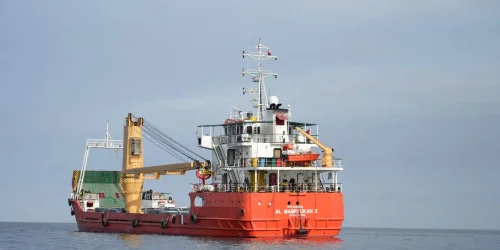
Iran's military has announced it has resumed "strict management and control" over the Strait of Hormuz, a critical global oil shipping route. The move comes in direct response to what Tehran describes as acts of "piracy" and "sea robbery" by the United States, which has blockaded Iranian ports.
A military spokesman, in a statement to Iran's Tasnim News Agency on Saturday, stated that control over the strategic waterway had been returned to its "previous state" under the authority of the Iranian Armed Forces. The spokesman insisted the situation would remain unchanged until the US ends restrictions on the free movement of vessels to and from Iran.
Conflicting Signals and Market Reaction
The announcement creates confusion, as Iran had declared the strait open for maritime traffic just the day before, on Friday morning. Mid-afternoon data on Friday showed a small number of commercial vessels passing through. This earlier opening was noted by former US President Donald Trump in a post on his Truth Social platform.
The market reaction to Friday's opening was immediate, with stock prices climbing and oil prices falling. However, hours later, ship-tracking data indicated a large group of vessels sailing toward the strait inexplicably turned away, raising fresh questions about the actual status of the chokepoint.
A Central Demand in Fragile Negotiations
The opening of the Strait of Hormuz has been a central demand since the start of a fragile ceasefire earlier this month. The ongoing negotiations between Washington and Tehran have been complicated by the issue of maritime access. The strait is a narrow chokepoint linking the Persian Gulf to the Gulf of Oman and serves as a major artery for global shipments of oil and natural gas.
The Iranian military's statement represents a significant hardening of its position, directly linking continued Iranian control of the waterway to the lifting of US-led shipping restrictions. This development threatens to undermine the ceasefire and intensify regional tensions.