Imagine asking an AI assistant to handle a crucial task, only for it to fail half the time. That's not a dystopian fantasy; it's the alarming reality of today's most advanced AI agents, according to a leading researcher who just secured $40 million to solve it.
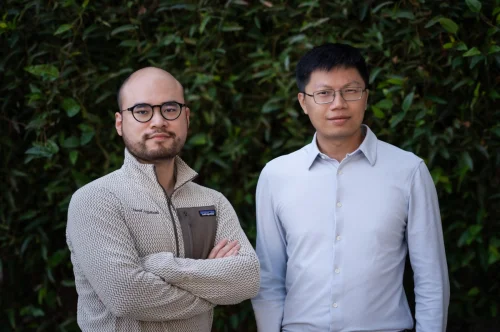
Yu Su, a professor who long resisted the lure of Silicon Valley, finally took the leap. He saw a critical flaw holding AI back from true autonomy and spun his research into a startup called NeoCognition. His mission? To build the first AI agents that can teach themselves to become experts, just like a human would.
"Today’s agents are generalists," Su told TechCrunch. "Every time you ask them to do a task, you take a leap of faith." That leap fails a staggering 50% of the time, whether you're using tools from Claude, OpenClaw, or Perplexity. This fundamental unreliability means we can't yet trust AI to work independently.
Why Your AI Assistant Keeps Getting It Wrong
The core issue, Su argues, is a lack of specialisation. Human intelligence is powerful not because it's broad, but because we can rapidly master the unique rules of any new job or environment. Current AI lacks this ability.
"For humans, our continued learning process is essentially the process of building a world model for any profession, any environment," Su said. He believes this self-learning capability is the critical missing link. Without it, agents remain clumsy generalists, doomed to a 50/50 success rate.
The $40M Gamble on AI That Teaches Itself
NeoCognition's solution is audacious. Instead of painstakingly engineering a new AI for every single task, they're building generalist agents capable of autonomously building a model of any "micro world" they're placed in. They learn the rules, relationships, and consequences on their own.
This vision convinced top-tier investors to co-lead a massive $40 million seed round. The backers include Cambium Capital, Walden Catalyst Ventures, and the software-focused private equity giant Vista Equity Partners. Even Intel's CEO and a Databricks co-founder joined as angel investors.
That Vista partnership is a major clue to NeoCognition's plan. It gives the startup direct access to a vast portfolio of established SaaS companies—the exact clients who would use these agents to build AI "workers" or supercharge their existing products.
What This Means for Your Job and Your Software
If NeoCognition succeeds, the impact will be profound. We could move from unreliable AI tools to truly autonomous, expert digital colleagues. Software you use for work could become infinitely more adaptable and powerful, learning directly from your specific needs.
The 15-person team, most holding PhDs, now faces the immense challenge of turning theory into reality. They're not just coding a new app; they're attempting to replicate a core function of human cognition in silicon. The $40 million question is whether this research lab can deliver on its promise to finally make AI work reliably on its own.