Remember that nasty surprise last year when a long-awaited parcel from overseas arrived with a hefty, unexpected bill? For countless online shoppers, that moment of frustration is about to turn into one of relief—and potentially, a refund.
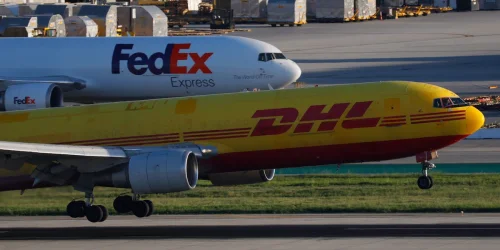
A little-known US Customs refund portal has just swung open its digital doors. In a major reversal, shipping giants FedEx, UPS, and DHL have now confirmed they will begin the process of **handing money back to customers** who were slapped with specific Trump-era tariffs. But the clock is ticking, and the rules are a minefield.
Your Refund Is Coming… But Only If You Meet This One Condition
The process sounds simple: the shipping companies will pursue claims through the new government portal and, once funds are released 60-90 days later, begin refunding customers. "Our intent is straightforward," FedEx stated. "If refunds are issued to FedEx, we will issue refunds... to the shippers and consumers who originally bore those charges."
UPS and DHL echoed this, saying most customers won't need to lift a finger—refunds will be automatic. But here’s the critical loophole that could see you miss out entirely.
The One Group of Shoppers Who Must Act Now—Or Lose Everything
This seamless refund only applies if the shipping company was the official "importer of record" and paid the fee on your behalf. If you handled your own customs paperwork and paid the tariff directly, **you are on your own**. You must file a claim yourself through the Customs portal, and the window for action is already open.
Furthermore, US Customs is currently only in "phase one" of refunds, limited to imports finalised since 30 January this year. There is no timeline yet for refunding tariffs paid before that date, leaving many in limbo.
Not All Fees Are Created Equal: The Charges You Will NEVER See Again
Before you get too excited, understand this: the Supreme Court only struck down *some* tariffs. The refund applies specifically to "reciprocal" tariffs imposed under an emergency powers act. Other tariffs, like those on steel and aluminium, remain in effect and won't be refunded.
More controversially, the **administrative and brokerage fees** that often accompanied the tariff charge are a different story. UPS has bluntly stated these fees were "legal and valid at the time of the charge" and will not be refunded. FedEx and DHL were silent on this point in their statements, even as several lawsuits from customers seeking refunds on these additional charges are pending.
What This Refund Wave Means for Your Future Online Shopping
This move signals a significant, if belated, correction for international e-commerce. It sets a precedent for accountability on disputed government charges and may force greater transparency from carriers about fee breakdowns. For now, it serves as a stark reminder to always scrutinise the line items on any international shipping bill—because what you see isn't always what you get, even when a refund is promised.