The United States military has initiated a high-risk mission to clear Iranian naval mines from the Strait of Hormuz, deploying warships ill-suited for the task into one of the world's most critical maritime chokepoints. The operation, which coincides with a new US naval blockade of Iranian ports, marks a dangerous escalation in the ongoing regional conflict, even as a temporary ceasefire holds.
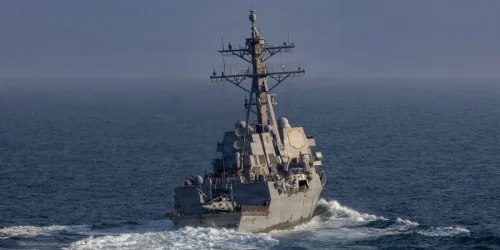
Over the weekend, two US Navy guided-missile destroyers transited the strait and operated in the Persian Gulf as part of the initial phase of the mine-clearing mission. US Central Command (CENTCOM), which oversees Middle East operations, stated its forces had begun "setting conditions for clearing mines" laid by Iran's Islamic Revolutionary Guards Corps (IRGC). The strategic waterway is vital for global oil shipments.
Destroyers in an Unfamiliar Role
While leading the operation, the Arleigh Burke-class destroyers deployed are multi-mission surface combatants built for air defense and naval warfare, not mine detection or clearance. The US Navy possesses specialised vessels for such tasks, including Independence-class littoral combat ships and Avenger-class mine hunters, but their current locations and involvement remain unclear. CENTCOM declined to specify their role or whereabouts.
Retired Navy Captain Bradley Martin explained to *Business Insider* that the destroyers likely provide support and protective cover while uncrewed systems handle the actual mine detection. "Destroyers could provide support and protection while uncrewed systems conduct detection and clearance," he said. The warships' potent air defense systems are positioned to counter potential Iranian anti-ship missile attacks on more vulnerable mine-clearing forces.
A Broader Blockade and Economic Pressure
The mine-clearing effort unfolds alongside a separate US military blockade of all Iranian ports in the Persian Gulf and Gulf of Oman, which took effect on Monday. Ordered by President Donald Trump following inconclusive negotiations in Pakistan, the blockade aims to squeeze Tehran's critical oil revenues. CENTCOM asserts it "will not impede freedom of navigation for vessels transiting the Strait of Hormuz to and from non-Iranian ports."
However, the United Kingdom Maritime Trade Operations (UKMTO) warned that commercial ships may still "encounter military presence, directed communications, or right-of-visit procedures during passage." This complex maritime picture creates significant risks for civilian shipping in the region.
Persistent Threats and Operational Risks
Despite a reported ceasefire and US claims of over 150 damaged or destroyed Iranian vessels, significant threats remain. President Trump acknowledged Tehran retains a fleet of smaller, fast-attack craft historically used to harass shipping. He threatened to "destroy" any that approach the US blockade. A greater concern for US commanders is Iran's arsenal of advanced anti-ship missiles.
Retired Navy Admiral Archer Macy highlighted the peril for American sailors. "The operations are risky for the Navy because Iran could decide to start launching missiles at US warships 'to make a point'," he told *Business Insider*. He cautioned that unilaterally setting "operational redlines" introduces new dangers into an already volatile situation.
With mines present, a full blockade active, and Iran's missile capabilities intact, US naval forces are navigating one of the most hazardous phases of the conflict. The success of the improvised mine-clearing operation, led by ships not designed for it, remains uncertain as the strategic standoff continues.